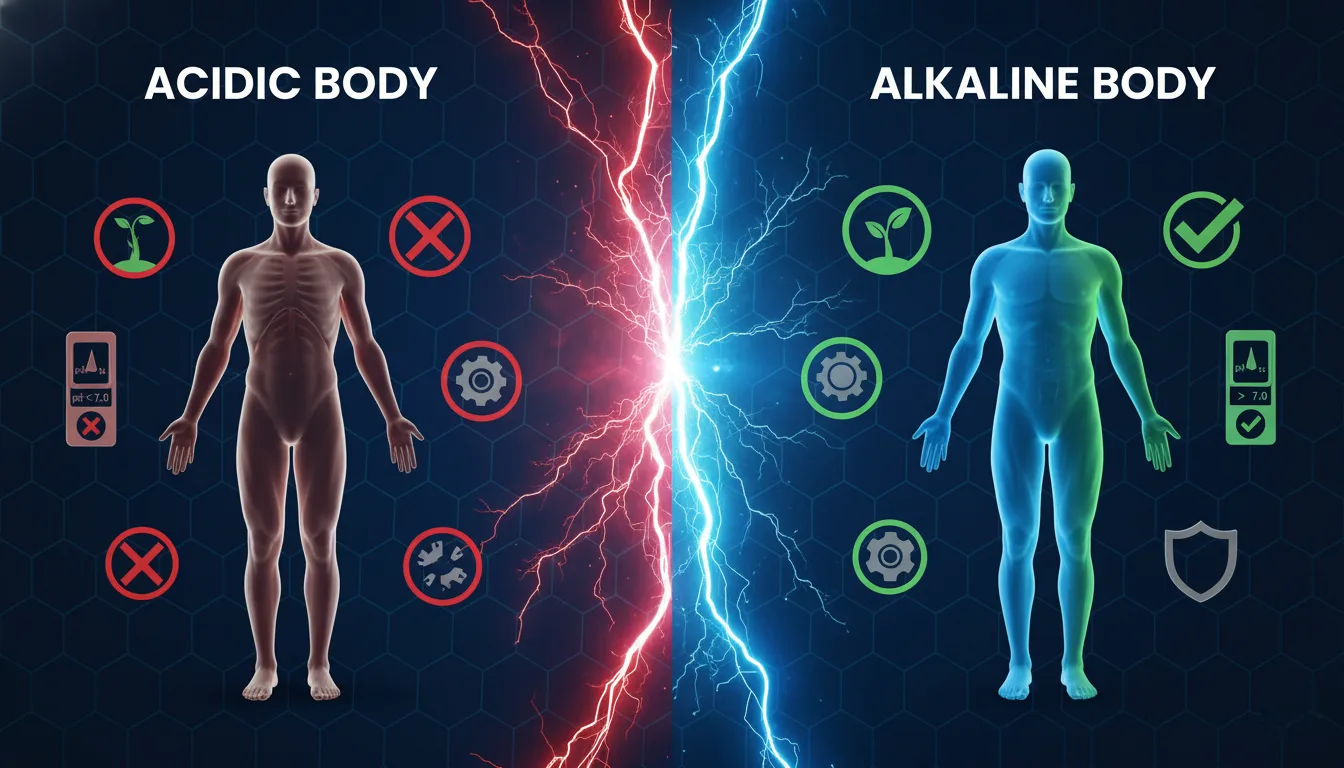
The pH scale measures how acidic or alkaline a substance is, running from 0 to 14. Seven is neutral; below that is acidic, above it alkaline. It is a logarithmic scale, so each step represents a tenfold change — pH 5 water is ten times more acidic than pH 6, not slightly more.
For drinking water, pH matters for three practical reasons: taste, what the water does to your plumbing and appliances, and what it tells you about how the water was treated.
What pH Tells You About Your Water
Acidic Water (below pH 6.5)
Water on the acidic side is corrosive. It leaches metals from pipes and fittings — copper, lead in older plumbing, iron — which is why acidic supply water is a genuine infrastructure concern rather than a health fad. Tell-tale signs are blue-green staining around taps, a metallic taste and premature failure of water-heating elements.
Reverse osmosis water typically lands at pH 6 to 7. The membrane removes contaminants but also strips the buffering minerals, leaving water that is slightly acidic and flat-tasting.
Neutral to Mildly Alkaline (pH 7 to 8.5)
This is where most municipal supplies aim to sit. The World Health Organization does not set a health-based guideline value for pH in drinking water, but recommends keeping it in roughly this range for effective disinfection and to protect the distribution network.
Alkaline Water (pH 8.5 to 9.5)
This is the range electrolysis produces. Water sampled from a Singer unit measured pH 9.5 in an accredited laboratory test. At this level water tastes noticeably smoother — the bitterness people associate with chlorinated tap water is gone — and it is non-corrosive to fittings.
Where the Claims Get Ahead of the Science
It is worth being direct about this, because the internet is full of confident statements that do not survive contact with physiology.
Drinking water does not change your blood pH. Blood is held between 7.35 and 7.45 by the respiratory and renal systems. That regulation is tight and fast, and it does not depend on what you drink. Genuine deviation from that band is a medical emergency called acidosis or alkalosis — not a lifestyle condition, and not something a glass of water causes or corrects.
There is no credible evidence that dietary acidity causes cancer, and the quotation to that effect widely attributed to Otto Warburg is not something he said. Warburg observed that tumour cells metabolise glucose differently and produce lactic acid — the acidity is a consequence of tumour metabolism, not its cause. Reversing that relationship is a misreading of his work.
The acid-ash hypothesis — the idea that acid-forming foods leach calcium from bone — has been tested repeatedly and controlled trials have not supported it as a driver of osteoporosis.
None of this makes alkaline water pointless. It makes the honest case narrower and more defensible: better-tasting, thoroughly filtered, mineral-retaining, non-corrosive water that people actually drink more of.
Why pH Alone Is Not Enough
You can raise the pH of water by dropping sodium bicarbonate into it. The number on the test strip moves, and nothing else about the water improves — the chlorine, the heavy metals and the microbiological load are all still there.
What matters is the whole treatment chain. A Singer ioniser runs seven stages before the water reaches your glass: sediment, GAC carbon, granular carbon, RO membrane, post carbon, ALK+ alkaline and vitamin B12. Chlorine, heavy metals, bacteria and viruses are removed at 99.9%, and calcium, magnesium and potassium are retained rather than discarded.
The electrolysis stage then does something a mineral additive cannot: it produces a negative oxidation-reduction potential. The accredited report measured ORP −252 mV against the +200 to +400 mV typical of tap and bottled water. That negative reading reflects dissolved molecular hydrogen — an area of genuine and ongoing research, and a measurable property rather than a marketing number.
Checking Your Own Water
pH strips from a pharmacy will give you a rough reading in a minute. If you want a proper picture — hardness, chlorine, conductivity, heavy metals — that needs instruments.
Singer offers a free water test: our team measures what is coming out of your tap and shows you the numbers before recommending anything. You can also read how the ionisation process works or look at the Gold and Black models.